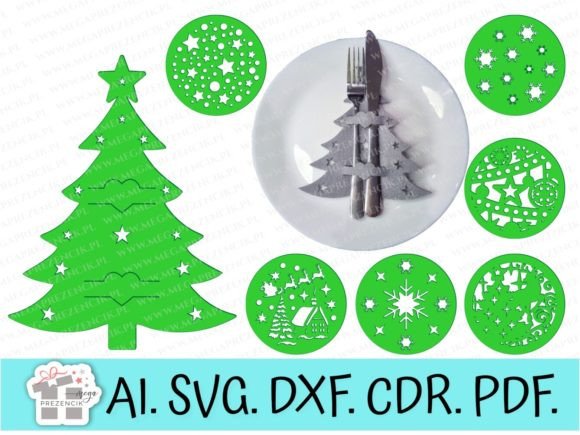
Christmas Cutlery Case Felt Placemats
A First Look at the Design
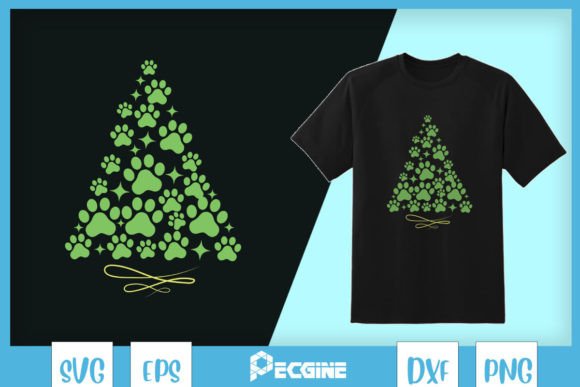
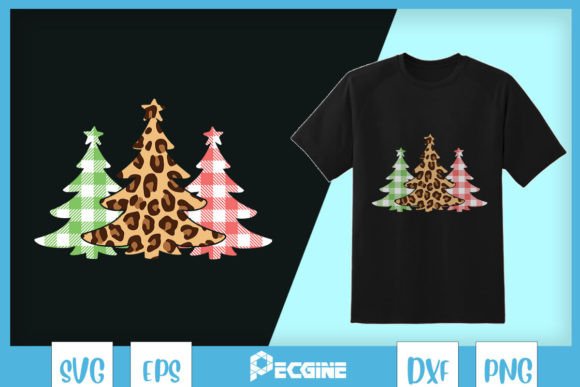
The Christmas Cutlery Case Felt Placemats immediately evoke a warm, festive mood. The design is centered around a Christmas tree pattern for cutlery and seven coasters, each with its own subtle variations. The tree dimensions are 15x19.5cm, which makes it large enough to be impactful but still manageable for most embroidery machines. The pads measure 9.45 cm, suggesting they're meant for smaller items like coasters or decorative accents.
As an experienced designer, I notice that the layout feels cohesive yet varied. Each coaster has a unique arrangement of stars, snowflakes, and other holiday elements, while the main tree pattern is more detailed and structured. The vector files are available in AI, CDR, and DXF formats, which is a plus for designers who need flexibility in their workflow.
Real-Life Embroidery Use Cases
When thinking about how this design might translate into real projects, I imagine using it on custom apparel such as sweatshirts, tote bags, and baby clothes. The tree pattern could work well on a larger item like a tote bag, where it can be scaled up without losing clarity. For smaller items like patches or embroidered caps, the coasters would be more suitable due to their compact size.
I also see potential in holiday-themed products like personalized gifts, boutique merchandise, and Etsy listings. The festive nature of the design aligns well with seasonal markets, making it a great option for craft fairs and online stores. However, it's important to consider the fabric types these designs will be applied to, as some materials may require additional care during the embroidery process.
Design Performance in Real Projects
The Christmas Cutlery Case Felt Placemats performs well in most standard embroidery scenarios, but there are a few considerations to keep in mind. For instance, when working with textured fabrics or thin materials, the design may require extra stabilizer to prevent puckering or distortion. Dark fabrics can sometimes make the intricate details less visible, so testing on scrap fabric before committing to a full project is highly recommended.
Additionally, the design’s complexity means that stitch density and machine settings should be carefully reviewed. Dense areas like the tree pattern may require a higher stitch count to maintain detail, while simpler sections like the coasters can be adjusted for speed and efficiency. It’s also worth noting that the design may not perform optimally on curved surfaces like caps or hats, where the shape can affect the final appearance.
Practical Design Notes for Embroidery Professionals
As a professional designer, I always recommend testing the design on scrap fabric first. This allows you to assess how the design looks in practice and identify any potential issues before moving to a finished product. Checking thread color contrast is another essential step—ensuring that the chosen threads stand out against the fabric background will greatly enhance the visual appeal.
Reviewing stitch density is crucial for maintaining the integrity of the design. Some areas may require a denser stitch count to preserve detail, especially in the tree pattern. Confirming the hoop size is equally important, as the design’s dimensions suggest it may need a medium-sized hoop for optimal results.
Using proper stabilizer is another key factor in achieving a clean, professional finish. Depending on the fabric type, different stabilizers may be necessary to prevent shifting or stretching. Testing the design in black and white mockups can also help identify any hidden issues, such as poor contrast or unclear outlines.
Where to Use Carefully
While the Christmas Cutlery Case Felt Placemats is versatile, it’s best used with caution in certain situations. Small hoop sizes may struggle with the design’s scale, leading to incomplete or distorted results. Textured fabrics can cause the design to appear uneven, and thin or stretchy materials may require additional support during stitching.
Dark fabrics can reduce the visibility of intricate details, so it’s advisable to test the design on light-colored backgrounds first. Layered garments or curved surfaces like caps may also present challenges, as the design’s structure may not adapt well to these environments. Tiny lettering and dense stitch areas should also be inspected closely to ensure clarity and precision.
Impact on Visual Appeal and Product Value
The Christmas Cutlery Case Felt Placemats has a strong visual appeal, particularly when used on high-quality fabrics that complement the design’s festive theme. The combination of detailed patterns and subtle variations in each coaster adds depth and interest, making the design feel handcrafted rather than mass-produced.
From a product value perspective, the design offers a good balance between creativity and practicality. It’s suitable for both personal use and commercial projects, which is a significant advantage for small business owners and Etsy sellers. The ability to create personalized gifts or boutique merchandise further enhances its marketability.
Customer trust is also influenced by the design’s quality and presentation. A well-executed embroidery project can significantly boost brand consistency and recognition, especially when used in printable mockups or digital product previews. Ensuring that the design works well in both light and dark backgrounds helps maintain a professional look across various applications.
Final Thoughts and Recommendations
Overall, the Christmas Cutlery Case Felt Placemats is a thoughtful and versatile design that fits well within the world of embroidery. As a designer, I appreciate its attention to detail and festive charm, which make it ideal for a wide range of projects. However, it’s important to approach it with care, especially when working with challenging fabrics or complex applications.
Before using the design in a finished product or selling it as a digital embroidery file, always confirm licensing terms and ensure that the design meets your specific needs. With the right preparation and attention to detail, this design can become a valuable asset in your creative toolkit.