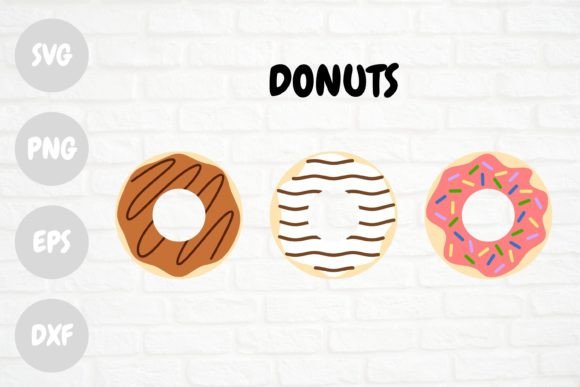
Donuts
A Sweet Addition to Your Embroidery Toolkit
As a designer who’s spent years working on custom embroidery projects, I always approach new designs with a mix of curiosity and practicality. Donuts is one such design that caught my eye for its simplicity and versatility. It’s not just another generic graphic—it has a charm that feels intentional, and it’s ready to be stitched into real projects right away.
First Impressions: A Warm, Approachable Design
At first glance, Donuts delivers a friendly, playful vibe. The rounded shapes and clean lines are instantly recognizable, making it feel like something you’d see on a bakery counter or a coffee shop sign. The single-layer structure per color makes it easy to manage, and the lack of overly intricate details ensures it remains visually cohesive even when scaled down or stretched across different surfaces.
This design works well in both digital and physical spaces. Whether you’re creating a printable mockup for an Etsy listing or planning a custom tote bag, Donuts offers a consistent visual language that feels approachable and modern. Its low-detail nature also means it can adapt to various fabric types and project sizes without losing its character.
Real-World Use Cases: From Tote Bags to Baby Clothes
When I imagine using Donuts in real projects, the possibilities are endless. On a tote bag, it adds a touch of whimsy without overwhelming the design. On a baby onesie, it brings a sense of fun and playfulness that appeals to parents looking for personalized gifts. Even on a cap or apron, it maintains its charm and readability, which is crucial for small-scale embroidery.
One thing I particularly appreciate is how Donuts handles curved surfaces. The smooth curves of the donut itself make it ideal for items like caps or mugs where traditional flat embroidery might look awkward. This flexibility is a big plus for designers who work with a variety of product types.
Practical Considerations: What to Watch For
While Donuts is a great all-rounder, there are a few things to keep in mind when preparing it for use. First, consider the hoop size. Because the design is relatively simple, it should fit comfortably in most standard hoops, but if you're working with larger formats, you may need to adjust or split the design accordingly.
Another factor to consider is fabric texture. On textured or stretchy fabrics, the design may appear slightly distorted, so it’s wise to test it on scrap fabric before committing to a final product. Similarly, dark fabrics can reduce the visibility of thread colors, especially if you’re using pastel or subtle shades. Always check your thread color contrast against the intended background.
For dense stitch areas, such as the outer ring of the donut, ensure that your machine is set to the appropriate stitch density. Too dense, and the design may look cluttered; too sparse, and it might lose its shape. A balance between fill stitch and running stitch can help maintain clarity and definition.
Design Impact: Visual Appeal and Brand Consistency
Donuts contributes positively to the overall visual appeal of any project. Its simplicity allows it to stand out without being overpowering, making it a versatile asset for branding or personalization. When used consistently across multiple products—like a line of custom apparel or handmade accessories—it helps build brand recognition and trust with customers.
From a customer perspective, the design feels approachable and relatable. It’s the kind of image that invites interaction, whether it’s a gift for a friend or a personalized item for a client. This emotional connection can translate into higher engagement and satisfaction, which is invaluable for small businesses and crafters.
Embroidery Designer Notes: Tips for Success
Before using Donuts in a commercial or personal project, take a few key steps to ensure the best results. Test the design on scrap fabric to assess how it looks in practice. Check the stitch density and adjust if necessary. Confirm that the design works well on both light and dark backgrounds by reviewing black-and-white mockups.
Use proper stabilizer to prevent puckering or distortion, especially on delicate or stretchy fabrics. Also, verify that the design is suitable for both personal and commercial use by checking licensing terms. If you plan to sell finished items or digital products, ensure that you have the appropriate rights to do so.
Conclusion: A Reliable Choice for Real Projects
Donuts is more than just a design—it’s a reliable tool for creators who value simplicity, functionality, and visual appeal. Whether you’re crafting a custom sweatshirt, a holiday gift, or a boutique product, this design offers the flexibility and charm needed to succeed. With a little care and attention to detail, it can become a standout feature in your next embroidery project.